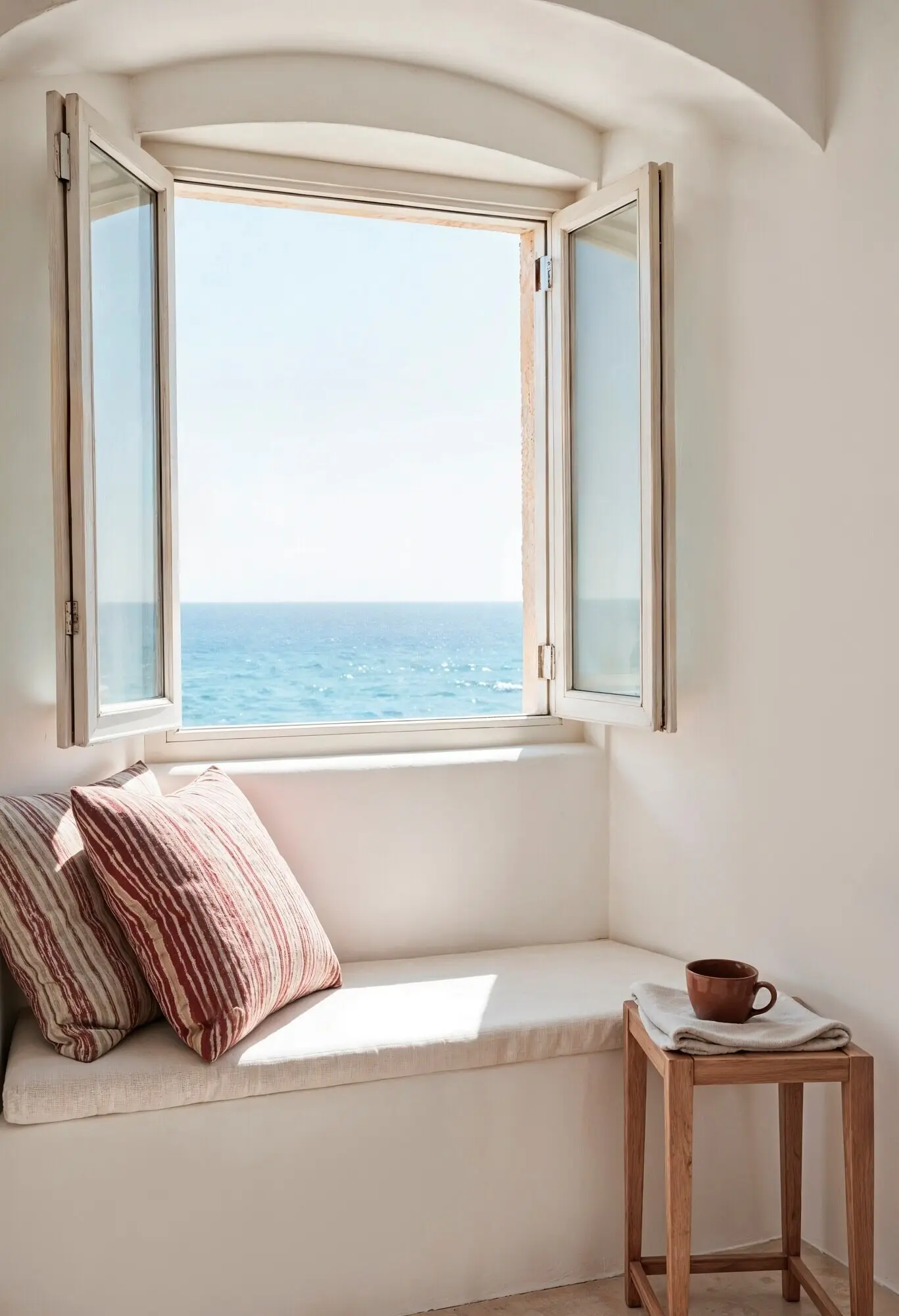
Open, Upscale Living in Compact Rooms: Built-Ins and Space Planning That Breathe
Perception First: How Small Spaces Feel Larger
Visual Weight, Scale, and Balance
Large objects are not the enemy; poorly balanced ones are. Choose a few generous, quiet gestures instead of many fussy elements. Align edges, keep tops clear, and anchor views with low, long pieces. Your eye will glide, interpreting restraint as luxury, while practical storage quietly supports the serenity of the room.
Sightlines and Circulation Clarity
Protect long views from entry to window, and avoid blocking them with tall pieces near doorways. Keep clearances around 36 inches in primary paths and 30 inches in secondary ones. Consider pocket or sliding doors to eliminate swing conflicts. The result is a graceful, intuitive route through the room that instantly feels larger.
Negative Space as a Design Material
Reserve breathing room around focal elements, and let empty wall areas frame built-ins like a gallery. Float select furniture on legs to reveal more floor, and keep one corner intentionally bare. This deliberate restraint reads as curated sophistication, allowing light and shadow to create depth far beyond the room’s physical boundaries.
Media Walls with Rhythm and Calm
Window Seats, Radiators, and Hidden Depth


Materials and Finishes that Whisper Luxury
Tone-on-Tone, Texture-Forward Elegance
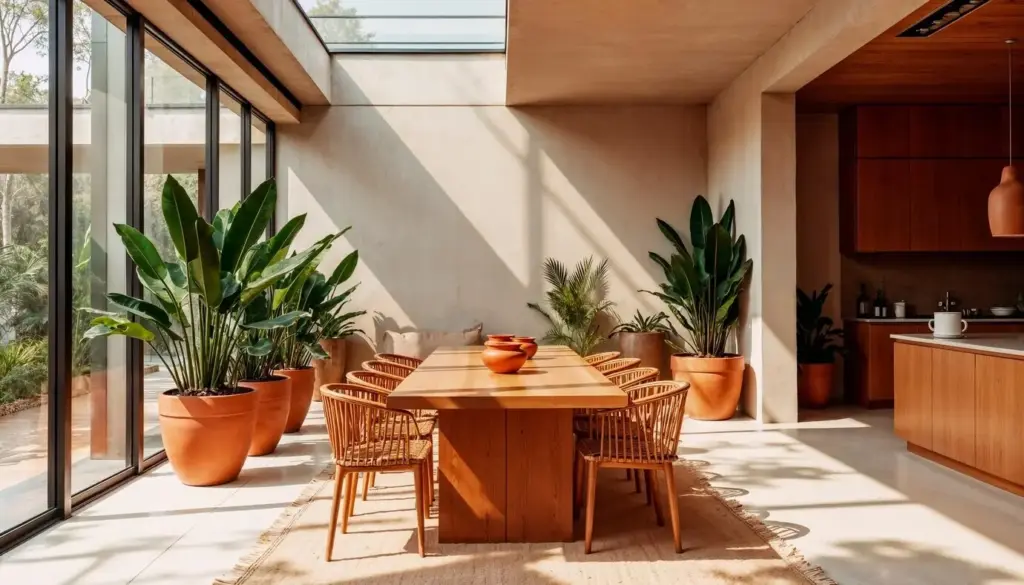
A monochrome palette becomes layered through ribbed panels, bouclé, honed stone, and brushed metal. Use soft contrasts so planes recede rather than shout. The eye reads one continuous field, punctuated by light. This cohesion quietly upgrades the room, suggesting generous volume even when inch counts remain carefully measured.
Hardware Minimalism and Tactile Joy
Push-latch doors, finger rails, and subtly knurled pulls keep surfaces serene while adding pleasing touch. Specify softened edges and durable finishes that patina gracefully. Where handles are needed, align them in precise grids. The result feels tailored and calm, turning routine gestures into tiny moments of pleasure each day.
Durability Where It Matters Most
Compact rooms take frequent hits, so choose washable paint finishes, scratch-resistant laminates, and stain-safe textiles. Edge-band shelves, finish the undersides, and seal stone properly. These invisible safeguards maintain a pristine look longer, ensuring your refined palette stays consistent and the sense of openness never erodes under real-life use.
Light as Architecture: Layers that Expand Space

Ceiling and Perimeter Strategies
Task Lighting Hidden in Built-Ins
Scenes, Dimmers, and Evening Rituals
Precision Planning: Measurements, Details, and Real Stories

All Rights Reserved.